If you are considering ibogaine treatment, Tijuana, Mexico is the closest place to get it for most Americans: clinics sit a short drive from San Diego, just past the San Ysidro crossing. Ibogaine is a naturally occurring psychoactive drug taken from the root bark of the Tabernanthe iboga shrub of West Africa. People travel for it to address opioid addiction, alcohol use disorder, and PTSD, because it is a Schedule I controlled substance in the United States and no U.S. clinic can offer it outside a research trial.
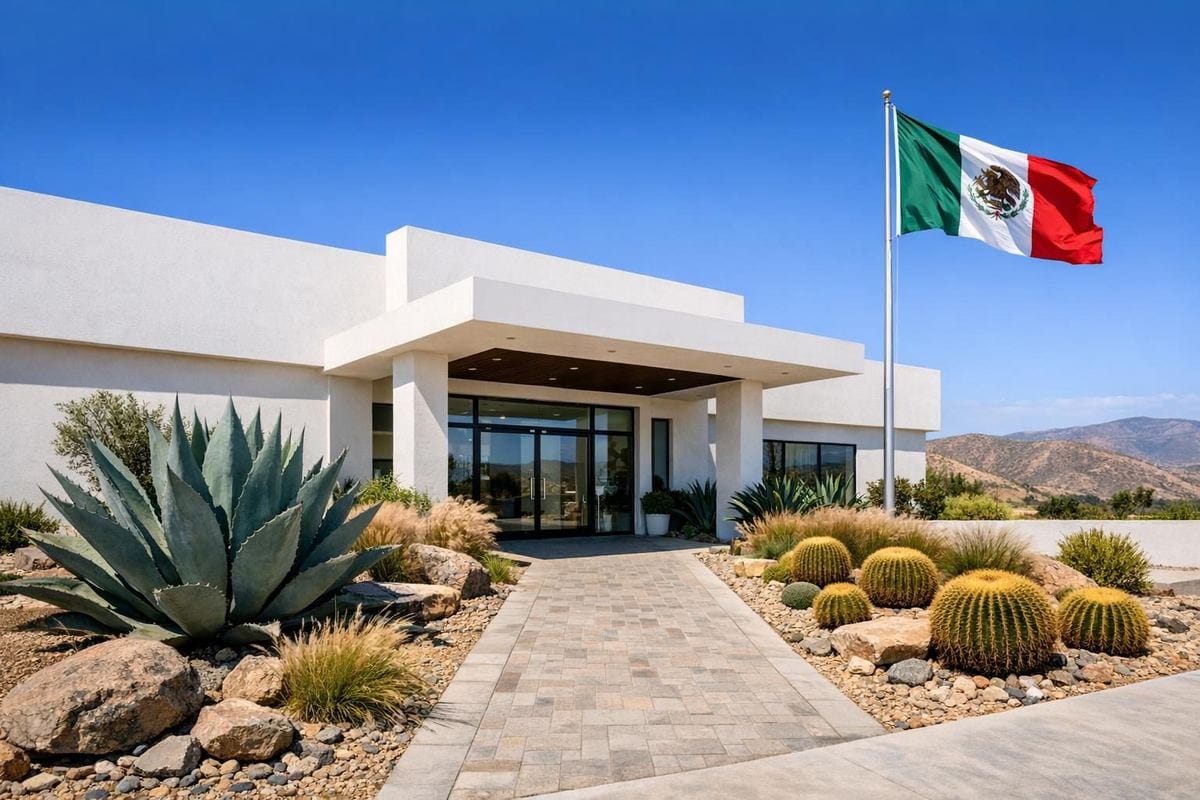
Why Clinics Cluster in Playas de Tijuana
Two things explain it: Mexican law does not prohibit the drug, and San Diego is next door. Ibogaine is not on the controlled-substance lists of Mexico’s General Health Law, but it is not an approved medicine either, and COFEPRIS, the federal health regulator, has no ibogaine-specific standard. A clinic needs only ordinary medical licensing, so vetting matters more here than at a U.S. rehab.
Most facilities sit in Playas de Tijuana or down the coast in Rosarito, both in Baja California. Names that recur in news coverage include Experience Ibogaine in Playas and Ambio Life Sciences, where the Stanford veterans described below were treated; neither mention is an endorsement. For Cancun and other regions, see this guide to choosing a clinic in Mexico.
Crossing the Border for Ibogaine Treatment: Tijuana, Mexico Logistics
Most patients fly into San Diego, about 20 miles from the border, and ride clinic transport south. The border line, not the drive, sets the timing.
- Documents. Re-entering the U.S. by land requires a passport or passport card. Bring your medical records and a written list of every medication you take.
- The trip home. Loss of coordination can last a day or two after dosing, so do not drive yourself back. Use a companion or clinic transport to the airport.
- Nothing comes back with you. Carrying any iboga product into the U.S. is importing a Schedule I drug.
- Local safety. Read the State Department travel advisory for Baja California and stay with clinic transport.
What a Typical Tijuana Program Looks Like
Ibogaine-assisted treatment is a medically supervised detox in which the patient takes ibogaine hydrochloride, usually as one main dose, under continuous monitoring:
- Pre-treatment screening. Doctors and nurses run an EKG, liver panels, electrolytes, and blood work. The drug lengthens the heart’s QT interval, so people with certain heart conditions are turned away.
- Medication transition. Long-acting opioids such as methadone or fentanyl, and some antidepressants, are often switched or tapered first. Plan any change with your prescriber, never on your own.
- Supervised dosing. Medical staff keep the patient on a heart monitor for 24 to 36 hours. The strongest effects last 12 to 24 hours, often described as introspective or a spiritual experience.
- Observation. Patients stay while sleep, balance, and appetite return. The whole stay commonly runs 5 to 7 days.
- Discharge planning. Reputable clinics hand over a written plan: outpatient treatment, talk therapy, family therapy, or a referral for mental health treatment and addiction recovery support at home.
The dose is the shortest part of ibogaine therapy. Lasting recovery and sobriety depend on the weeks after discharge, so a vague aftercare promise is a warning sign.
What the Research Shows for Opioids, PTSD, and Alcohol
For each type of addiction, the evidence is promising but early: small, uncontrolled studies with no guaranteed results.
- Opioid addiction. The best-studied use. In a 2018 observational study of 30 people treated for opioid dependence at two Mexican clinics (Brown and Alper), withdrawal symptoms fell sharply within days and half reported no opioid use the following month. There was no comparison group.
- PTSD and traumatic brain injuries. Research from Stanford Medicine followed 30 special operations veterans with traumatic brain injuries who received the drug with magnesium to protect the heart. One month later PTSD symptoms were down about 88%, depression 87%, and anxiety 81%, with no serious cardiac events. It also lacked a control group; see treatment centers for PTSD.
- Alcohol. Some patients report fewer cravings, but data are thin. Alcohol and benzodiazepine withdrawal can cause seizures, so heavy daily drinkers usually need a conventional medical detox first.
- Cocaine and methamphetamine. Evidence for this kind of drug addiction is limited to case reports. Treat any clinic success figure here as marketing.
What a Tijuana Program Costs
Treatment costs at Tijuana clinics typically range from $5,000 to $12,000 for a standard program, paid out of pocket because insurance does not cover it. Get in writing whether the quote includes the cardiac workup, the medication, every observation night, meals, and airport transfers. The full cost breakdown for Mexico covers each line item.
How to Vet a Tijuana Clinic Before You Pay
With no ibogaine-specific licensing in Mexico, checking falls to you. Use this table when you call any addiction treatment provider:
| Criteria | What to Look For | Red Flag |
|---|---|---|
| Medical supervision | A licensed physician on site through the dosing night | No doctor during the session |
| Cardiac screening | Mandatory EKG and electrolytes before dosing | Screening waived or done remotely |
| Emergency plan | Defibrillator, oxygen, a named hospital for transfer | No written emergency protocol |
| Aftercare | A structured post-discharge plan | No integration support |
| Testimonials | Independent reviews, such as Recovery.com or Yelp | Only self-published reviews |
A good ibogaine treatment center answers these questions in writing without pressure. If a facility will not share its protocols, look elsewhere.
Risks and Safety Considerations
The most serious risk is a dangerous heart rhythm. A 2012 review in the Journal of Forensic Sciences found 19 deaths from 1990 to 2008 that followed ingestion of the drug; in 12 of the 14 cases with enough data, heart disease or other drugs explained or contributed to the death. Screening lowers that risk. It does not remove it.
- Nausea and vomiting during the acute phase (common and expected)
- Ataxia, or loss of coordination, for 24 to 48 hours after the dose
- Psychological distress, especially with unresolved trauma or other mental health conditions
- Interactions with medicines that also lengthen the QT interval or slow the drug’s breakdown, including some antidepressants
The substance is the same everywhere; the medical infrastructure around it changes the risk. U.S. law is covered in why it is illegal in the US.
Start with an EKG and a frank talk with your own doctor about your heart and medications. Then request written protocols from at least two ibogaine centers in Mexico and compare them against the table above. When you book ibogaine treatment, Tijuana, Mexico clinics that pass that comparison are the only ones worth a deposit; how this site reviews clinics explains the standard used here.
Ibogaine Treatment Tijuana, Mexico: Frequently Asked Questions
How much does ibogaine treatment cost?
Most Tijuana clinics charge between $5,000 and $12,000 for a complete program. Pricing varies by facility, length of stay, and included services. No health insurance plans currently cover it.
How long does the ibogaine trip last?
The main psychoactive effects typically last 12 to 24 hours, with unsteadiness for a day or two after. Patients usually stay at the clinic 5 to 7 days in total, including screening and observation.
What is the success rate of ibogaine treatment?
No reliable success rate exists, because no large controlled trial has been completed. In one 2018 study of 30 people treated for opioid dependence in Mexico, half reported no opioid use the following month. Results depend heavily on support after discharge.
What are the negatives of ibogaine?
The primary risk is cardiac arrhythmia, which can be fatal, especially with undetected heart disease. Other negatives include an intense psychological experience, nausea, loss of coordination, the cost, and no ibogaine-specific regulation in Mexico. A physician and cardiac monitoring on site reduce these risks.