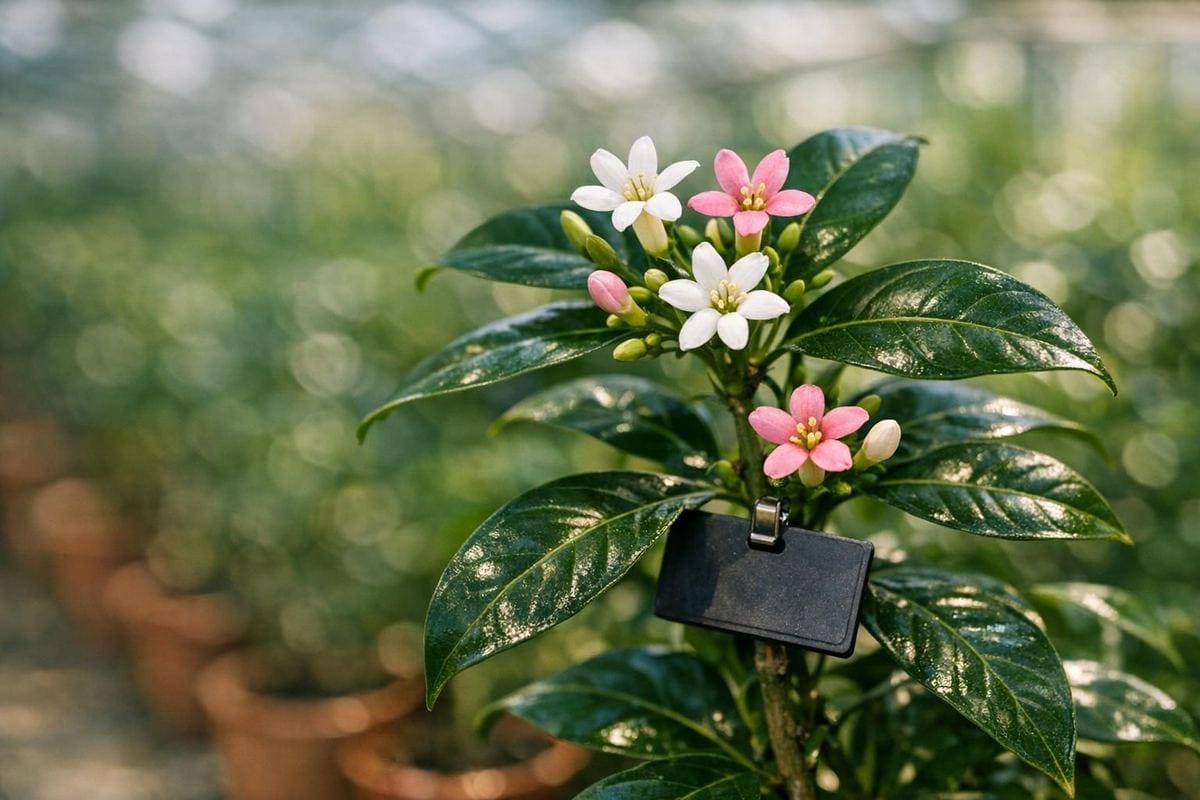
Ibogaine is a naturally occurring psychoactive alkaloid from the root bark of Tabernanthe iboga, a shrub native to Gabon in Central Africa. Why is ibogaine illegal in the US? Because Congress named it in Schedule I of federal drug law in 1970, and in the five decades since, no sponsor has produced the controlled trial data the FDA needs to approve it, largely because of its documented risk to heart rhythm. Ibogaine may help some people with opioid addiction, but “may” is still where the evidence sits.
That ban is the reason Americans who want this therapy travel to ibogaine treatment clinics in Mexico, where the drug is not scheduled. The sections below follow the ban in order: what the law says, how the drug got there, what the research shows, how a Schedule I drug can legally change status, and what states did in 2025 and 2026.
What Federal Law Actually Says About Ibogaine
Ibogaine is a Schedule I drug in the United States, which makes it illegal to manufacture, distribute, import or possess outside a DEA-registered research setting. It is not a gray-area chemical that slipped through a loophole. The name appears in the text of the statute itself, 21 U.S.C. 812, among the hallucinogens in the original schedules, and in the DEA’s regulation at 21 CFR 1308.11.
Checking the current regulation text for this update, we found ibogaine still listed as entry 21 in paragraph (d), “Hallucinogenic substances,” under DEA code 7260. Schedule I is the strictest federal category. Under the statute, a Schedule I drug is one that has:
- A high potential for abuse
- No currently accepted medical use in treatment in the United States
- A lack of accepted safety for use under medical supervision
The second criterion is the one that matters most here. Accepted use is, in practice, established through FDA approval. No ibogaine product has ever been approved, so the drug meets that criterion by default, whatever its potential. That circular logic, illegal because unapproved and hard to get approved because illegal, runs through every section below.
Why Is Ibogaine Illegal in the US? Four Reasons That Kept It in Schedule I
No single event explains the ban. Four separate forces, each from a different decade, stacked on top of one another.
1. It Was Swept In With Other Hallucinogens in 1970
The Controlled Substances Act of 1970 placed ibogaine in Schedule I alongside heroin, LSD, peyote and the active compounds in magic mushrooms. It was listed with the other hallucinogens, not singled out after a dedicated clinical review. There were no addiction trials to weigh and no medical group arguing for an exception. Western interest in its effect on addiction came mostly afterward.
2. The One Federal Research Push Stopped in 1995
The National Institute on Drug Abuse (NIDA), the federal agency that funds most US addiction research, sponsored animal studies of ibogaine in the early 1990s. In 1993 the FDA allowed a small human safety study led by University of Miami researcher Deborah Mash. NIDA then convened an expert panel to decide whether to fund a full clinical development program, and most panel members did not endorse it. The agency abandoned that program in 1995. Without federal money, and with the drug still Schedule I, US clinical work largely stopped for the next two decades.
3. Cardiac Risk Gives Regulators a Concrete Reason to Say No
Ibogaine can prolong the QT interval, the part of the heartbeat when the heart’s electrical system resets, and a long QT interval can trigger an arrhythmia that can cause cardiac arrest. This is the most cited medical reason the drug stays banned. A forensic review by Alper and colleagues in 2012 (Journal of Forensic Sciences) found 19 known deaths outside West Central Africa from 1990 through 2008 that occurred within 1.5 to 76 hours of taking ibogaine.
The detail that gets lost in headlines: in 12 of the 14 cases with adequate postmortem data, advanced pre-existing medical problems (mainly cardiovascular) and/or other drugs of abuse explained or contributed to the death. Those findings suggest screening could reduce the risk, but a screening protocol that works in one clinic is not the same as one the FDA has tested and approved for millions of patients.
4. Nobody Had a Business Reason to Fund Approval
FDA approval for a new drug typically requires Phase II and Phase III trials that cost tens of millions of dollars. Ibogaine is a plant alkaloid that has been studied for decades, which makes strong patent protection hard to get, and its appeal is a single dose rather than daily treatment. By comparison, the FDA-approved medications for opioid use disorder (methadone, buprenorphine and naltrexone) are taken on an ongoing basis. With no company willing to carry the cost, no one filed for approval, so the Schedule I finding never had a reason to change.
What the Research Shows So Far, and Why It Is Not Enough Yet
The human evidence is promising but comes almost entirely from small open-label studies, meaning there was no placebo group and everyone knew they got the drug. Several were run at clinics in Mexico precisely because the drug is illegal in the US.
| Study | Who was studied | What it reported | Main limit |
|---|---|---|---|
| Davis et al., 2017 | 88 people treated for opioid use at a clinic in Rosarito, Mexico | 80% said withdrawal symptoms were eliminated or drastically reduced; 30% said they never used opioids again | Retrospective, self-reported online survey |
| Brown and Alper, 2018 | 30 people dependent on opioids treated in Mexico | Lower drug use and opioid withdrawal scores after treatment | Small sample, no control group |
| Noller et al., 2018 | 14 people with opioid dependence in New Zealand | Reduced withdrawal and drug use over 12 months | Very small sample, no control group |
| Cherian et al., 2024 (Stanford, Nature Medicine) | 30 male special operations veterans with mostly mild traumatic brain injury | Large improvements in disability, PTSD, depression and anxiety one month after magnesium plus ibogaine | Open label, no control group, other therapies given alongside |
The Stanford brain injury study, led by Nolan Williams and published in Nature Medicine in January 2024, drew the most attention. Its treatment was given in Mexico with magnesium added to protect the heart, and the authors reported no unexpected or serious adverse events. Its own conclusion is the important part: controlled clinical trials are still needed. Our page on ibogaine treatment centers for PTSD covers what that study can and cannot tell a veteran.
None of these studies is the randomized, controlled Phase II or Phase III data the FDA uses to judge safety and effectiveness. Until that exists, the evidence can justify more research, not a change in the law. For background on how the drug works in the brain, see what ibogaine is and how it acts on addiction.
How a Schedule I Drug Can Become Legal
There are three realistic routes, and they are not equally likely.
- FDA approval, then rescheduling. A sponsor runs trials under an investigational new drug application, the FDA approves a specific ibogaine product, and the DEA then moves that product to a lower schedule. This is the most likely path because it is the only one that creates an accepted use under the statute.
- Administrative rescheduling of the substance itself. Under 21 U.S.C. 811, the DEA can move a drug after a scientific and medical evaluation by the Department of Health and Human Services. Without an approved product, ibogaine has little to put on that record.
- A safer relative instead of the original. Researchers are developing analogs designed to keep the effect on addiction without the heart risk. 18-MC, an ibogaine derivative created in 1996 by a team at Albany Medical College, and tabernanthalog, a non-hallucinogenic analog from UC Davis that Delix Therapeutics is developing, are the best known. Neither is an approved medicine.
FDA breakthrough therapy designation, which speeds review, has already gone to other psychedelic treatments, such as psilocybin for major depressive disorder and MDMA for post-traumatic stress disorder. A similar designation for ibogaine would still require a sponsor willing to fund the trial program behind it.
State Ibogaine Laws in 2025 and 2026: What Changed and What Did Not
The biggest legal movement since 1995 has come from state legislatures, and it is aimed at the funding gap described above. We read the Texas bill text and the Mississippi bill history on the two legislatures’ own websites on October 12, 2026, and neither law makes the drug legal to possess or use; each builds a route toward FDA approval instead.
| State and law | Status (checked October 12, 2026) | What it does |
|---|---|---|
| Texas, SB 2308 | Signed June 11, 2025, effective immediately | $50 million for a consortium of a university, a hospital and a drug developer to run FDA drug development trials, with matching non-state funds required |
| Mississippi, HB 314 | Approved by the governor March 26, 2026 | Ibogaine Drug Development Clinical Trial Act; funds a consortium trial for opioid addiction once matching non-state money is verified, coordinated with another state’s lead consortium |
| Colorado, HB26-1325 | Signed June 4, 2026, effective August 12, 2026 | Ibogaine research pilot program in the Behavioral Health Administration, up to 5 sites, run only if gifts, grants and donations cover it; separately, the 2022 Natural Medicine Health Act (Proposition 122) already removed state penalties for adult personal possession and use |
State law cannot override the federal schedule. Federal law still treats possession as a crime in every state, so these programs work inside the FDA and DEA research system rather than around it. State legislation also moves fast, so treat the dates above as a snapshot, not a final list.
Ibogaine’s Legal Status in Other Countries
The rules vary widely, and “legal” rarely means “approved.”
- Mexico: not scheduled as a controlled drug, but not approved by COFEPRIS, the federal health regulator, and there is no ibogaine-specific licensing. In that sense it is unregulated.
- Canada: on Health Canada’s Prescription Drug List since 2017, so it is legal only with a prescription.
- New Zealand: gazetted in 2009 as a non-approved prescription medicine.
- Netherlands: not prohibited, though a practitioner received an 8-year prison sentence in 2019 after a patient died.
- France, Belgium, Denmark and Sweden: controlled, as in the United States.
In Gabon, iboga holds deep spiritual significance in the Bwiti religion and has been part of healing ceremonies for generations. The Mitsogo people have brewed iboga into palm wine or chewed the root bark during initiation rituals. That traditional use is the root of the plant’s reputation, but it says little about how the purified alkaloid behaves in a person on methadone with a heart condition.
What the Ban Means for Americans Who Seek Treatment Abroad
Because it’s illegal in the United States, Americans seeking ibogaine as a treatment for substance use disorder generally go to Mexico. Receiving treatment there is governed by Mexican law, not the US schedule. Bringing any ibogaine back across the border is a different matter, because importing a Schedule I substance is a federal offense. This describes the law; it is not legal advice.
The lack of regulation in Mexico cuts both ways. Some facilities run like a fully accredited medical clinic, with physicians, cardiac monitoring and emergency equipment. Others have no medical staff at all. Taking ibogaine without proper cardiac screening is genuinely dangerous, and price is a poor way to choose. A reputable clinic in Mexico will require a full medical evaluation (including an EKG and blood work), monitor heart rhythm throughout the session, and have emergency protocols in place. Our guide to choosing an ibogaine clinic in Mexico lists the screening questions to ask before you book.
So why is ibogaine illegal in the US? It was written into Schedule I in 1970, the federal research effort that could have tested it ended in 1995, its cardiac risk is real, and only now are states paying for the trials that approval requires. If you or someone you love is weighing treatment today, start with a physician experienced in addiction medicine, get an EKG and a full medication review, and only then compare clinics on their written screening and cardiac monitoring protocols.
Frequently Asked Questions About Ibogaine’s Legal Status
Is ibogaine legal in the US?
No. Ibogaine is a Schedule I drug under the Controlled Substances Act, making it illegal to manufacture, possess or distribute in the United States outside DEA-registered research. Texas and Mississippi now fund drug development trials, and Colorado has removed state penalties for adult personal use, but none of these laws changes the federal ban.
Does ibogaine make you high?
It produces intense psychoactive effects that can last 24 to 36 hours, including dream-like visions and deep introspection. Most patients and researchers do not describe it as recreational or euphoric, and it is not a stimulant. People seek it for its anti-addictive effects rather than for pleasure.
What drug is similar to ibogaine?
No approved drug replicates its full profile. Its closest relatives are experimental analogs such as 18-MC and tabernanthalog, which Delix Therapeutics is developing. Psilocybin and ayahuasca are also psychedelic, but they act through different mechanisms.
What are the negatives of ibogaine?
The most serious risk is a dangerous heart rhythm caused by QT interval prolongation, especially in people with heart disease or other drugs in their system. Other effects include nausea, vomiting, loss of coordination (ataxia) and fatigue lasting several days. Fake iboga products sold in unregulated markets add another danger.
What if my loved one considers using ibogaine?
Encourage them to consult a physician experienced in addiction medicine before deciding anything. If they go ahead, look for a facility with full cardiac screening and monitoring, licensed medical staff and written emergency protocols, and be wary of any clinic that promises a cure.
Why is ibogaine illegal in the US but not in Mexico?
The United States wrote the drug into Schedule I in 1970, while Mexico has not scheduled it as a controlled drug. Treatment received in Mexico is governed by Mexican law, but US federal law still applies at the border, so carrying any ibogaine back into the United States counts as importing a Schedule I substance.