What is ibogaine? Ibogaine is a naturally occurring psychoactive indole alkaloid found in the root bark of Tabernanthe iboga, a rainforest shrub native to Central Africa. It is a Schedule I drug in the United States, yet clinics in Mexico and a few other countries offer it because a single dose can sharply reduce opioid withdrawal symptoms in many patients. It also carries a documented risk of dangerous heart rhythm problems, and it is not an FDA-approved medicine for any condition.
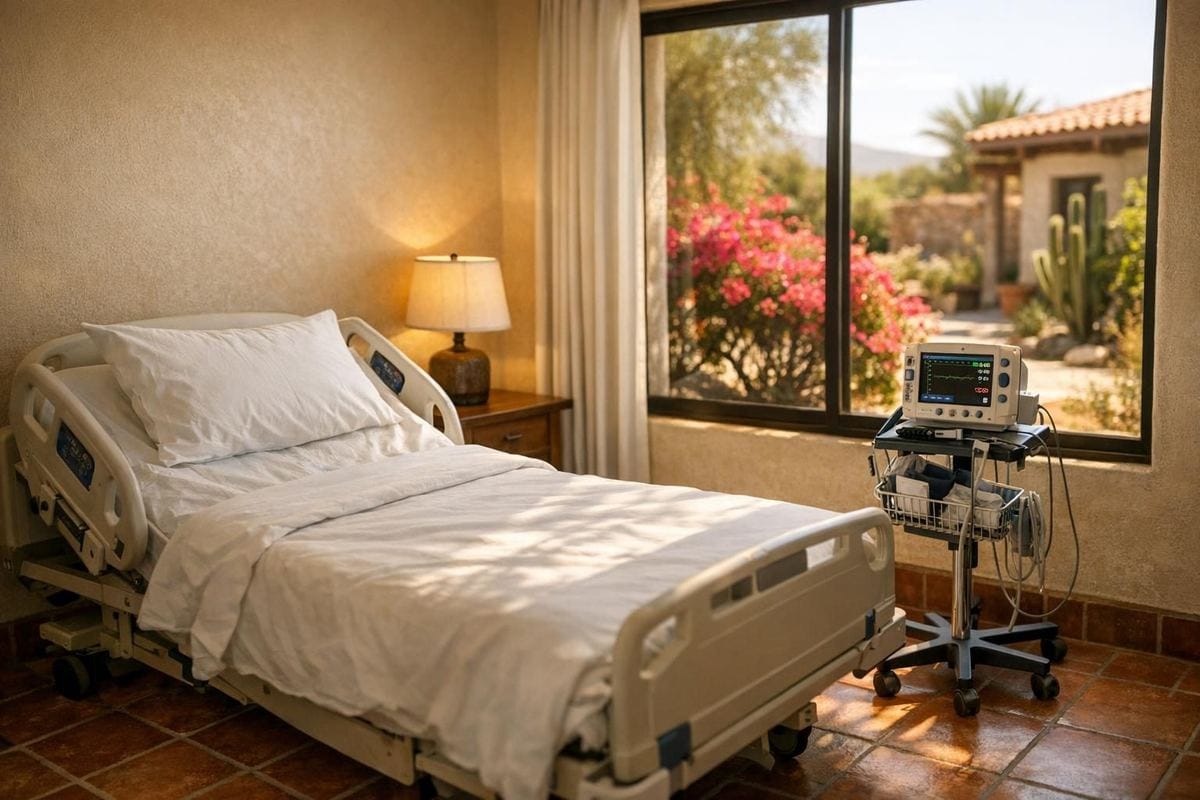
Below: where it comes from, what it does in the brain, how it compares with approved addiction medicines, what the studies found, who should avoid it, and where it is legal.
What Is Ibogaine Made Of? The Iboga Shrub and Its Alkaloids
The drug is one of several alkaloids in iboga root bark, alongside related compounds such as voacangine. Members of the Bwiti spiritual tradition in Gabon and neighboring Central African countries have used scrapings of the root bark in initiation ceremonies for generations.
French researchers first isolated the pure alkaloid in 1901. For several decades France sold a low-dose iboga extract called Lambarène as a stimulant, until it was withdrawn in 1966. The addiction story starts in 1962, when Howard Lotsof, a 19-year-old heroin user in New York, took it and noticed that his craving and withdrawal had faded. He later became its best-known advocate.
Today the word covers three quite different products:
- Iboga root bark, dried and powdered, the form used in Bwiti ceremonies.
- Total alkaloid extract, a concentrate of all the bark’s alkaloids together.
- Ibogaine hydrochloride, the purified salt that medical programs weigh out by body weight.
The distinction matters because alkaloid content in raw bark varies from batch to batch, so a bark dose is far harder to control than a weighed dose of the hydrochloride. For a drug whose main danger rises with dose, that is a safety issue.
How the Compound Acts on the Brain and Heart
It acts on several targets at once, which sets it apart from classic psychedelic drugs such as psilocybin and LSD that work mainly through the serotonin 5-HT2A receptor. It binds kappa-opioid receptors, NMDA receptors, the serotonin transporter and sigma receptors. It also blocks the hERG potassium channel in heart cells, the action behind its cardiac risk.
The liver, mainly through the enzyme CYP2D6, converts it into noribogaine. This metabolite reaches higher plasma levels than ibogaine itself and has a half-life of roughly 24 to 50 hours, against about 7 hours for the parent drug. Researchers think noribogaine carries much of the reduced craving people describe in the days after a dose.
At full doses the subjective effects run in three phases. A visionary phase of 4 to 8 hours brings dreamlike imagery and vivid memory recall. An introspective phase follows for roughly 8 to 20 hours. Then comes residual stimulation with poor sleep that can last 24 to 72 hours. For a closer account of the visions, see what ibogaine feels like.
How It Compares With Methadone and Buprenorphine
Ibogaine is often pitched as an alternative to the two most widely used medications for opioid addiction. The differences are large.
| Ibogaine | Methadone | Buprenorphine | |
|---|---|---|---|
| How it is taken | Usually one supervised dose | Daily, long term | Daily film or tablet, or a monthly injection |
| Federal schedule | Schedule I | Schedule II | Schedule III |
| FDA-approved for opioid use disorder | No | Yes | Yes |
| Main heart concern | QT prolongation, deaths reported | QT prolongation (boxed warning) | Smaller QT effect than methadone |
| Where it is given | Clinics abroad, mainly Mexico | Licensed opioid treatment programs | Most American prescribers since 2023 |
Methadone and buprenorphine have decades of controlled trial data behind them and lower the risk of overdose death; the case for ibogaine rests on small observational studies. Methadone also has to be replaced with a short-acting opioid before a dose, because the two together stack cardiac risks. Anyone stable on it should treat a switch as a medical decision.
What the Research Says About Ibogaine
The evidence is promising but thin. Ibogaine may ease withdrawal and craving, but no large randomized controlled trial has published results, and most human data come from small observational studies at clinics abroad.
Opioid Withdrawal and Opioid Dependence
The best-known follow-up study tracked 14 people in New Zealand, where the drug can be legally prescribed, for 12 months after a single treatment for opioid dependence (Noller and colleagues, American Journal of Drug and Alcohol Abuse, 2018). Opioid withdrawal scores dropped significantly right after treatment. Among the eight participants who completed every interview, drug use and depression scores were significantly lower at 12 months. One participant died during treatment.
Veterans With Traumatic Brain Injury
In January 2024, Stanford researchers reported in Nature Medicine on 30 American special operations veterans with a history of TBI and repeated blast exposure, treated at a clinic in Mexico with oral ibogaine plus magnesium to protect the heart. One month later, average scores on the WHO disability scale had fallen from 30.2 to 5.1, and PTSD, depression and anxiety symptoms were down 88%, 87% and 81%. No serious adverse events or heart problems were reported.
The part of that study most often misread is its design. Every veteran was compared with their own baseline; there was no placebo group, and the endpoint was one month. The change was large, but the study cannot separate the drug from expectation, the retreat setting or the passage of time.
Other Conditions Under Study
Smaller studies and case reports have looked at alcohol and stimulant dependence and at major depressive disorder. In 2023, UCSF researchers published work in Cell on new compounds designed to act on the serotonin transporter the way ibogaine does, without its hERG action; they reduced addiction-like and depression-like behavior in mice. Animal results are an early step, not a therapeutic option anyone can use yet.
Risks and Adverse Effects Associated With Ibogaine
The serious risk is cardiac. By blocking hERG channels, the drug can prolong the QT interval and trigger torsades de pointes, a potentially fatal arrhythmia. The National Institute on Drug Abuse cites an analysis linking its use to long QT syndrome, and the Partnership to End Addiction counts more than 30 deaths linked to it over roughly 40 years, mostly from heart failure and many involving other substances too.
Common physical effects during a session include:
- Nausea and vomiting, often in the first hours.
- Ataxia, which makes walking unassisted unsafe.
- Tremors, headache and light sensitivity.
- Anxiety, confusion and intense hallucinogenic effects.
- Insomnia that can run for several days.
Some groups face clearly higher risk: people with heart disease, a long QT interval or a family history of sudden cardiac death; people with liver disease, since the liver clears the drug; anyone with a history of seizures, psychosis or mania; and anyone taking QT-prolonging or CYP2D6-inhibiting drugs, which include methadone and many antidepressants. Heavy recent alcohol or stimulant use adds withdrawal risks of its own.
Screening improves the safety of ibogaine administration but does not remove the risk. A responsible program runs an ECG and blood work first, keeps cardiac monitoring and resuscitation equipment running during the dose, and has a hospital transfer plan.
Is Ibogaine Legal? The U.S., Mexico and Other Countries
The legal status of ibogaine in the United States is simple: it is illegal. The Drug Enforcement Administration lists it in Schedule I, the category for drugs with a high potential for abuse and no accepted medical use. When we checked the federal schedule (21 CFR 1308.11) in October 2026, it was still listed there under DEA code 7260. The history behind that is in our article on why ibogaine is illegal in the US.
Mexico has no specific rules on it. The drug is not banned there, but COFEPRIS, Mexico’s federal health regulator, has not approved it as a medicine, so clinics operate in a legal gray area and standards vary from one facility to the next. New Zealand and Canada treat it as a prescription medicine, while France, Belgium and Sweden prohibit it.
American policy is moving toward research rather than legalization. Washington’s 2024 Senate budget proposed funding a first state study of ibogaine treatment for opioid use disorder, and in June 2025 Texas Governor Greg Abbott signed Senate Bill 2308, which puts $50 million toward FDA clinical trials.
What an Ibogaine Treatment Involves
A medically supervised program generally follows four stages:
- Medical screening. An ECG, blood panels including liver function and electrolytes, and a full medication history. This is where contraindications show up.
- Preparation. Interacting medications are tapered or switched under a doctor’s care, often over several days. Long-acting opioids such as methadone need the longest lead time.
- Dosing under monitoring. A weight-based dose is given with continuous ECG monitoring and IV access. The visionary phase lasts about 4 to 8 hours.
- Recovery and aftercare. Rest and monitoring through the next 24 to 72 hours, followed by counseling or integration support.
Programs differ a lot in medical staffing and setting. Our guide to choosing an ibogaine clinic in Mexico covers what to check, ibogaine treatment centers for PTSD covers programs built around veterans, and how much ibogaine treatment costs in Mexico covers pricing.
If your question has moved past what is ibogaine to whether it is safe for you, start with an ECG and an honest review of every medication you take with your own doctor. Then ask any clinic you contact who reads the ECG, what monitoring runs during the dose, and which hospital they transfer to in an emergency. If you have heart disease or a long QT interval, buprenorphine or another approved medicine is the safer of the treatment options.
Frequently Asked Questions About Ibogaine
What is ibogaine used for?
It is used mainly as an experimental treatment for opioid use disorder, especially to interrupt opioid withdrawal. It is also being studied for alcohol and stimulant dependence, depression, PTSD and traumatic brain injury. None of these uses is FDA-approved.
Is ibogaine legal in the US?
No. It is a Schedule I controlled substance under federal law, so making, possessing or distributing it is illegal outside approved research. Americans who seek it usually travel to clinics in Mexico, where it is not banned but also not approved as a medicine.
Who should not take ibogaine?
People with heart disease, a prolonged QT interval, liver disease, seizure disorders, or a history of psychosis or mania face the highest risk. So do people taking methadone, many antidepressants or other QT-prolonging drugs. A full cardiac and medication screening by a physician is the minimum before considering it.
What does ibogaine do to the brain?
It acts on kappa-opioid receptors, NMDA receptors, the serotonin transporter and sigma receptors at the same time. Its metabolite noribogaine keeps part of that activity going for days, which researchers link to the reduced craving reported after a single dose.