
Choosing an ibogaine clinic in Mexico is one of the most consequential health decisions a person struggling with addiction can make. Ibogaine is a naturally occurring psychoactive compound derived from the root bark of the Tabernanthe iboga plant, native to Central Africa. Because ibogaine remains unscheduled in Mexico, the country has become the primary destination for Americans seeking this treatment. Over the past decade, more than a dozen licensed facilities have opened across Baja California, Cancun, and other Mexican cities to meet growing demand.
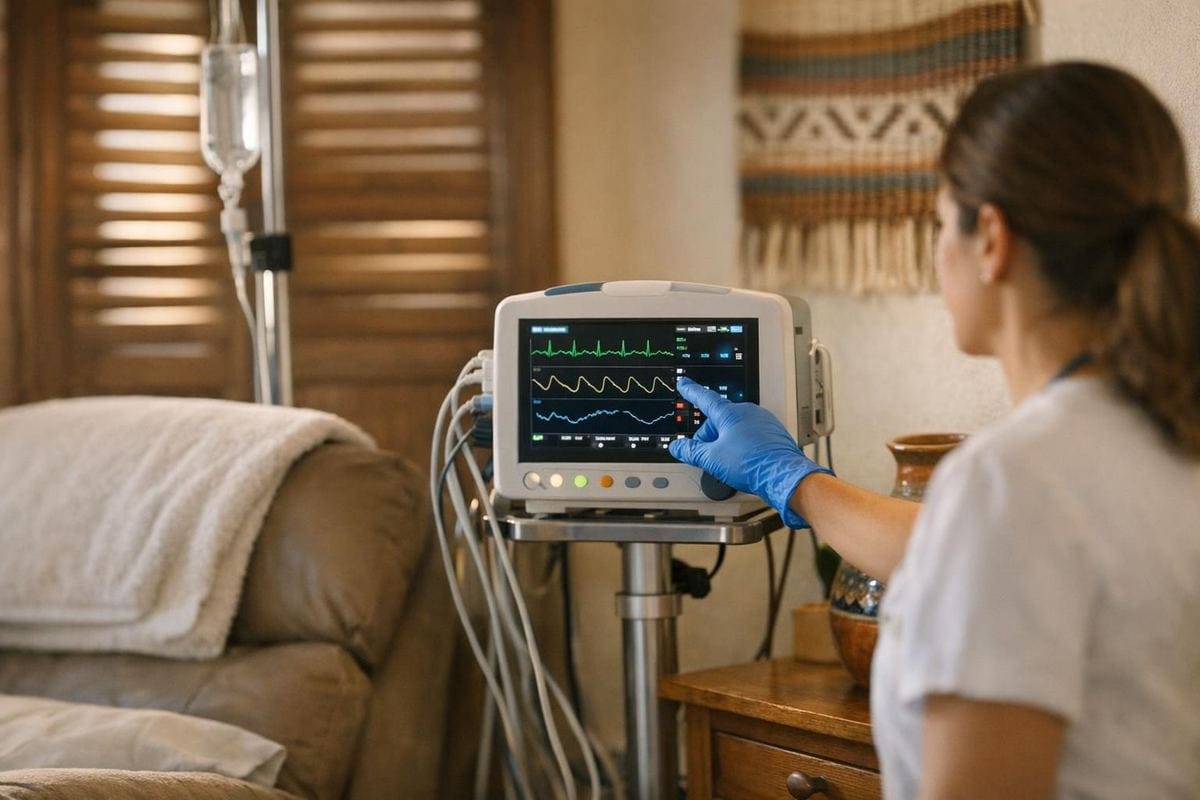
How Ibogaine Treatment Works at a Mexico Clinic
This approach interrupts addiction at the neurochemical level. The compound resets opioid receptors and reduces withdrawal symptoms within hours, something no conventional detox protocol can match. A single dose, administered under medical supervision, can eliminate 80% to 90% of acute withdrawal discomfort according to clinical reports from facilities like Beond and Experience Ibogaine.
The process at a reputable ibogaine clinic in Mexico typically follows this sequence:
- Medical screening and cardiac evaluation, including an EKG, liver panel, and full blood work. This step takes 24 to 48 hours and exists because the compound carries cardiac risks that must be ruled out before dosing.
- A supervised ibogaine-assisted session lasting 12 to 36 hours, during which patients are monitored continuously by medical staff.
- Post-session integration, usually 3 to 7 days of rest, counseling, and planning at the facility.
One thing most guides skip: the quality of the pre-screening determines your safety more than anything else. Clinics that rush patients through intake or skip the EKG are cutting corners that could be fatal. Ask to see their screening protocol before booking.
Why Americans Travel to an Ibogaine Treatment Center in Mexico
The compound is classified as a Schedule I substance in the United States, which means no American hospital or rehab center can legally administer it. Research on ibogaine continues at institutions like Stanford University, where a 2024 study found significant improvements in veterans with traumatic brain injury and PTSD after ibogaine therapy. Still, federal legalization remains years away.
Mexico fills that gap. The country’s regulatory framework allows clinics to operate legally, and proximity to the U.S. border makes travel practical. Many facilities in Baja California sit within 30 minutes of the San Diego airport, which reduces the logistical burden on patients and families.
Cost plays a role too. A full program in Mexico runs between $5,000 and $12,000 depending on the facility and length of stay. Compare that to $30,000 or more for a 30-day conventional rehab in the United States that may not address the root neurochemistry of opioid dependence.
What a Quality Ibogaine Clinic Should Offer
Not every facility calling itself an ibogaine clinic in Mexico meets the standard of care patients deserve. After reviewing dozens of providers, here is what separates the credible operations from the risky ones:
| Feature | Quality Clinic | Red Flag Clinic |
|---|---|---|
| Cardiac screening | Full EKG, liver panel, medical history review | Minimal or no pre-screening |
| Medical staff | Licensed physicians and nurses on-site 24/7 | No medical professionals present during dosing |
| Follow-up care | Structured follow-up plan with scheduled calls and therapy referrals | No post-session support |
| Dosing protocol | Individualized dosing based on body weight and substance history | One-size-fits-all approach |
| Facility licensing | Registered with Mexican health authorities (COFEPRIS) | No verifiable licensing |
In my experience evaluating these facilities, the follow-up care is where most patients get shortchanged. The session itself resets your brain chemistry, but lasting recovery depends on what happens in the weeks and months after you leave. A solid plan includes therapy sessions, support strategies, and ongoing mental health guidance.
Conditions Treated at These Facilities
Ibogaine therapy was originally studied for opioid addiction, and that remains its strongest application. Patients addicted to heroin, fentanyl, oxycodone, and other opiates report dramatic reductions in cravings after a single session.
But the scope has expanded. Current ibogaine treatment in Mexico now addresses:
- Opioid use disorder, including fentanyl dependence, which has become the leading driver of overdose deaths in the U.S.
- Alcohol use disorder, where the compound helps disrupt compulsive drinking patterns at the neurological level.
- Drug addiction involving cocaine, methamphetamine, and other stimulants.
- PTSD and traumatic brain injuries, particularly among military veterans. The Stanford research demonstrated measurable cognitive improvements in special operations veterans.
- Major depressive disorder and anxiety, though evidence here is more preliminary than for addiction.
- Co-occurring disorders combining dependency with mental health conditions, often called dual diagnosis.
The psychedelic experience itself plays a therapeutic role. Patients frequently describe a visionary state lasting 8 to 12 hours that surfaces unresolved psychological trauma, grief, and emotional patterns. This type of psychedelic therapy differs from recreational drug use because it happens in a controlled clinical environment with trained professionals guiding the process.
Safety Risks and What Research Shows
This compound is not without danger. It affects cardiac rhythm, and deaths have occurred at unregulated facilities that failed to screen patients properly. According to the World Health Organization, related fatalities are most commonly linked to pre-existing heart conditions that went undetected.
A medically monitored detox at a licensed facility in Mexico dramatically reduces this risk. Proper clinics keep patients on continuous cardiac monitoring throughout the session and for 24 hours afterward. They also exclude patients with QT prolongation, liver disease, or certain psychiatric conditions.
One mistake I see repeatedly is patients hiding their full medical history during intake. If you’re using benzodiazepines or methadone, the facility needs to know. Some substances require a washout period before the compound can be safely administered. Dishonesty here is genuinely life-threatening.
Research on ibogaine continues to grow. Beyond the Stanford TBI study, clinical trials at institutions in Brazil and New Zealand have shown promising results for addiction medicine applications. The National Institutes of Health lists multiple ongoing studies examining its pharmacology and potential clinical protocols.
How to Choose the Best Ibogaine Treatment Center
Finding the best ibogaine treatment center requires due diligence. Here is a practical decision framework:
- Verify COFEPRIS licensing. Every legitimate facility in Mexico should have a registration number you can check with Mexican health authorities.
- Ask about their medical team. You want a licensed physician (not just a “facilitator”) present during the session. Nursing staff should be on-site around the clock.
- Request their screening protocol in writing before you commit. If they hesitate or give vague answers, walk away.
- Check patient testimonials across multiple platforms, not just their website. Yelp, Google Reviews, and recovery forums provide unfiltered feedback.
- Confirm their follow-up program. Ask specifically: what happens at week 2, week 4, and month 3 after you leave? Vague promises of “ongoing support” are not enough.
Location matters too. Facilities in Playas de Tijuana offer easy access from Southern California. Centers in Cancun provide a more resort-like holistic environment but require a longer flight. Neither location is inherently better. What matters is the medical team and protocol.
Aftercare and Lasting Recovery After Ibogaine
The experience opens a window. What you do with that window determines whether recovery sticks. The best providers build an aftercare plan before you even take the dose.
Effective aftercare typically includes:
- Weekly therapy sessions (in-person or telehealth) for at least 90 days
- Connection to local support groups or outpatient programs in your home city
- A plan with specific triggers identified and coping strategies mapped out
- Follow-up calls from the facility’s recovery team at scheduled intervals
The cycle of addiction is powerful. The compound breaks the physical dependence, but the behavioral patterns, environmental triggers, and underlying issues that drove the substance use remain. Addressing those through ongoing therapy, community support, and lifestyle changes is what separates patients who stay clean from those who return to old habits within months.
Start by contacting 2 or 3 ibogaine clinics in Mexico and requesting their full protocol and care plan in writing. Compare their medical screening procedures, staff credentials, and post-session support before making a decision. If you or someone you love is fighting opioid addiction or another substance use disorder, an ibogaine clinic in Mexico may offer the neurochemical reset that conventional rehab cannot provide. Learn more about our approach to this therapy or reach out to discuss your situation directly.
Frequently Asked Questions
What does ibogaine do to your brain?
Ibogaine is a psychoactive drug that interacts with multiple neurotransmitter systems, including serotonin, dopamine, and opioid receptors. It effectively resets the brain’s reward pathways, which is why patients report dramatically reduced cravings after a single session. The compound also produces a prolonged psychedelic state that helps patients process psychological trauma and emotional patterns driving their addiction.
Is ibogaine legal in Mexico?
Yes. It is not a controlled substance in Mexico, which allows licensed clinics to administer it legally. This is why Mexico has become the primary destination for Americans seeking ibogaine-assisted care. Facilities must still comply with Mexican health regulations and obtain proper licensing through COFEPRIS.
How much does treatment cost?
Sessions at an ibogaine clinic in Mexico typically cost between $5,000 and $12,000. The price depends on the facility, length of stay, level of medical oversight, and whether the program includes extended follow-up care. Some centers near Tijuana charge less than those in resort destinations like Cancun, but cost should never be the primary factor when your safety is at stake.
What is the protocol for ibogaine?
A standard protocol begins with comprehensive medical screening (EKG, blood work, substance history review), followed by a supervised dosing session lasting 12 to 36 hours, and concludes with 3 to 7 days of integration and recovery at the facility. Dosing is calculated based on body weight and the specific substance being addressed. The entire process typically spans 5 to 10 days.
What are the risks?
The most serious risk is cardiac arrhythmia, which is why thorough pre-screening with an EKG is non-negotiable. Deaths have occurred at unregulated facilities that skipped cardiac evaluation. Other potential side effects include nausea, ataxia (loss of coordination), and temporary visual disturbances. Under proper medical supervision at a licensed facility, these risks are managed safely and effectively.